Akande Urges Strong Southern Opposition Ahead of 2027 Presidential Race
By Mutiat Fashina
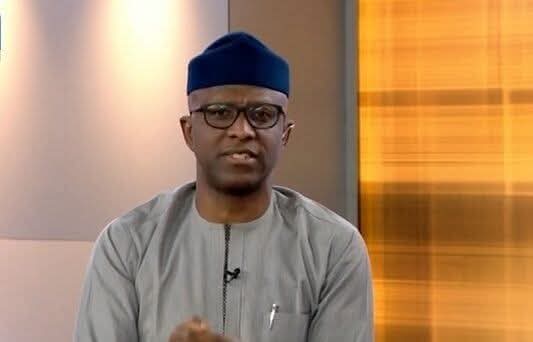
Laolu Akande, former media aide to ex-Vice President Yemi Osinbajo, has stressed that a robust opposition challenge is critical for the sustainability of Nigeria’s democracy. Speaking on Channels Television’s Sunrise Daily on Friday, March 13, 2026, Akande argued that meaningful political competition is “an imperative for a sustainable democracy.”
Highlighting the likelihood that the presidency will remain in the South in 2027, Akande warned that ambivalence within opposition ranks partly due to lingering interest from figures such as Atiku Abubakar is hampering the emergence of a strong challenge. He called on parties, particularly the African Democratic Congress (ADC), to respect a Southern consensus and back candidates capable of mounting a credible campaign.
“If they were serious… people like Rotimi Amaechi, people like Peter Obi ought to be the ones to be pushed forward,” Akande said.
He praised Amaechi’s credentials, noting his experience as a former Speaker of the Rivers State House of Assembly, two-term governor, Minister of Transportation where he oversaw major infrastructure projects and runner-up in the 2022 APC presidential primary. “Look at Amaechi. Tremendous career in politics… He was the guy that was in charge of infrastructure development,” Akande said.
Peter Obi, the 2023 Labour Party presidential candidate who has indicated plans to contest again, was also highlighted as a potential Southern standard-bearer capable of taking on President Bola Tinubu.
Akande cautioned that without prominent, field-tested Southern candidates, Atiku’s influence could continue to dominate opposition strategies. The former Minister of Transportation had earlier urged the ADC in February to nominate a Southern candidate for the presidency.
While Akande’s analysis reflects the perspective of a seasoned political commentator, the actual outcome will depend on party coalitions, funding, voter sentiment, and the opposition’s ability to organise in the run-up to 2027. Nigerian politics, he noted, remains highly fluid, with shifting alliances and evolving realities shaping the electoral landscape.
About the Author