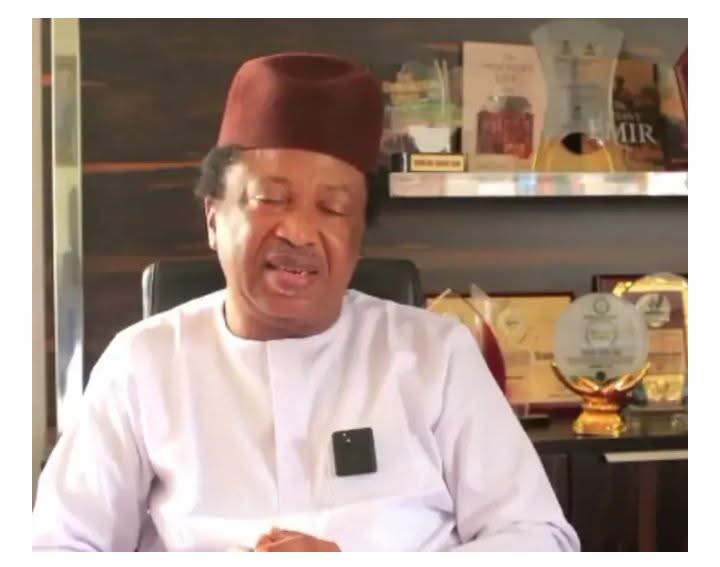
Former federal lawmaker Shehu Sani has urged Nigerian youths to take a more active role in grassroots politics, warning that disengagement could leave them permanently sidelined in the country’s leadership process.
In a post shared on his verified X handle on April 12, 2026, Sani addressed what he described as the growing apathy among young people during ongoing party congresses across wards nationwide.
He noted that many youths are neither participating in political activities nor familiar with key party structures at the local level.
According to him, while party congresses are currently being held in various wards, a significant number of young men remain uninvolved and unaware of the names of their ward executives.
He contrasted this with the rising political ambitions of their peers and even younger individuals who are already preparing to contest in forthcoming elections.
Sani also pointed out what he sees as a generational shift within political circles, where the children of established political figures are positioning themselves to inherit influence and power.
He warned that those who remain passive may soon find themselves moving from supporting current leaders to backing their children and eventually their grandchildren.
The former senator criticized the tendency of some youths to limit their political engagement to online activism, particularly venting frustrations about governance on social media platforms.
He stressed that such expressions, while valid, are not enough to effect meaningful change.
Referring to protests often held at Unity Fountain in Abuja, Sani cautioned against spending years demonstrating without making efforts to become part of the leadership structure.
He challenged young people to transition from being constant observers to active participants in the political arena.
He further argued that the key difference between those in power and those outside it lies in the willingness to take risks. According to him, current leaders stepped into the “muddy ring” of politics despite uncertainties, while many young people hesitate to do the same.
Sani’s remarks add to ongoing conversations about youth inclusion in Nigeria’s political system, especially as preparations gradually begin ahead of future electoral cycles.
About the Author