ADC to Presidency: petrol is up 500%, so where did the savings go?
By Fly Cable News
Nigeria’s main opposition party has fired back at the ruling All Progressives Congress with a volley of statistics, arguing that the human cost of President Bola Tinubu’s economic reforms is written plainly in the data, and that no amount of political messaging can obscure it.
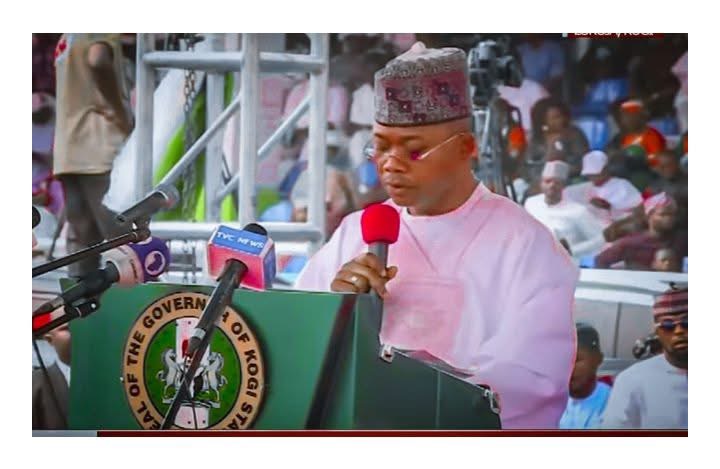
The African Democratic Congress had drawn APC criticism for what the ruling party called inflammatory commentary on the administration’s reforms. Bolaji Abdullahi, the ADC’s national publicity secretary, was unapologetic in his response.
“These are not opposition talking points,” he said. “They are the views of Nigerians themselves, APC members included.”
Abdullahi’s central charge was that petrol prices have risen by nearly 500 per cent since Tinubu took office in May 2023 — from roughly ₦255 per litre to around ₦1,500 in many parts of the country. That surge, he argued, has cascaded through the entire economy, pushing up transport costs and food prices and tipping millions of Nigerians into poverty.
The figures he cited were arresting. Nigeria’s poverty rate, he said, has climbed from around 50 per cent before the subsidy removal to 63 per cent. Independent surveys, he added, show that 93 per cent of Nigerians believe the country is heading in the wrong direction, 88 per cent describe the economy as “bad”, and 74 per cent say their personal living conditions are “poor.”
The most visceral numbers concerned basic survival. Abdullahi said recent surveys found that 82 per cent of Nigerians had gone without enough food at least once in the past year; the same proportion had gone without medical care. Seventy-nine per cent had gone without cooking fuel, 74 per cent without clean water, and 95 per cent had gone without a cash income at some point during the year.
Concerning the agricultural sector, he said nearly 90 rice mills had shut down since the reforms began, with many others running below capacity. Nigeria’s food import bill, he added, doubled from ₦3.83 trillion in 2023 to ₦7.65 trillion — a trajectory he described as the opposite of what sound economic reform should produce.
Abdullahi also questioned the government’s account of what has been done with the estimated ₦6.4 trillion saved by removing the fuel subsidy. “If the subsidy savings are truly being redirected to critical sectors, where exactly is all the money going?” he asked. “Why are local contractors not paid? Why are the universities still poorly equipped?”
The APC’s argument that the current hardship is temporary, he said, was simply not supported by available evidence.
Naija news channel
About the Author